Hello Students, Parents and Caregivers!
School is going to start soon so now is a great time to start getting used to the new routine.
Let’s think about bedtime, waking up time, morning routine, eating routine and after school routine.
How much sleep does your student need? What time does your student need to get up for their morning routine, ride or bus to school? Will adjustment be necessary?

Bedtime Routines:
We understand that sleep is essential for attention, learning, emotional regulation, memory, and physical health. Learners who are sleep deprived are might struggle with irritability, anxiety, behavioral concerns, and difficulty with focus.
Consider beginning to shift bedtime and wake-up time before school begins. Moving each by just 15 to 20 minutes every few days allows the internal clock to adjust more naturally.
Consider improving sleep hygiene by establishing a predictable bedtime routine and limiting screens during the hour before bed. Learners who insist they can’t sleep can colour or read in bed at their established time, maybe yoga stretches or calming music.
Older learners might resist! They may try to sneak electronic devices into their bedroom. They may try to negotiate with you. They may argue and tell you that they can stay up late and still wake up on time for school. Perhaps providing a choice of what book to read, what activity to do in their quiet time before bed. If they feel they have some choice and control, there may be more buy in. You know your learners, Make these changes anyway.
Consider providing choice as to what they wear the next day or helping to pack their snacks and lunch. This also helps with making the Waking up and Morning Routine less stressful.
Waking Up-Times (part of the Morning Routine):
As with bedtime, it is important to get up with enough and unhurried time to accomplish the morning routine and get moving.
There are no rules, but the more organized with laying out of clothes and a routine will be helpful in moving your learner’s day.
Exposure to natural light shortly after waking helps regulate circadian rhythms, making it easier to fall asleep the following evening. Consider a sunlamp or an alarm clock with this feature. Consider an alarm with gentle music or a favourite song.
Review the day’s schedule at some point.
Morning Routines:
What time do you have to leave for school? Is there a bus stop or bus pick up? Are you walking, carpool, driving? How much time is necessary for getting breakfast?
The most successful morning routines begin the night before.
Simple habits like laying out clothes, packing backpacks, charging devices, filling water bottles, and reviewing the next day’s schedule can dramatically reduce morning chaos. Visual checklists always helpful as they reduce repeated verbal reminders (also know and nagging to kids). When children know what to expect, mornings become less about rushing and more about starting the day with confidence.
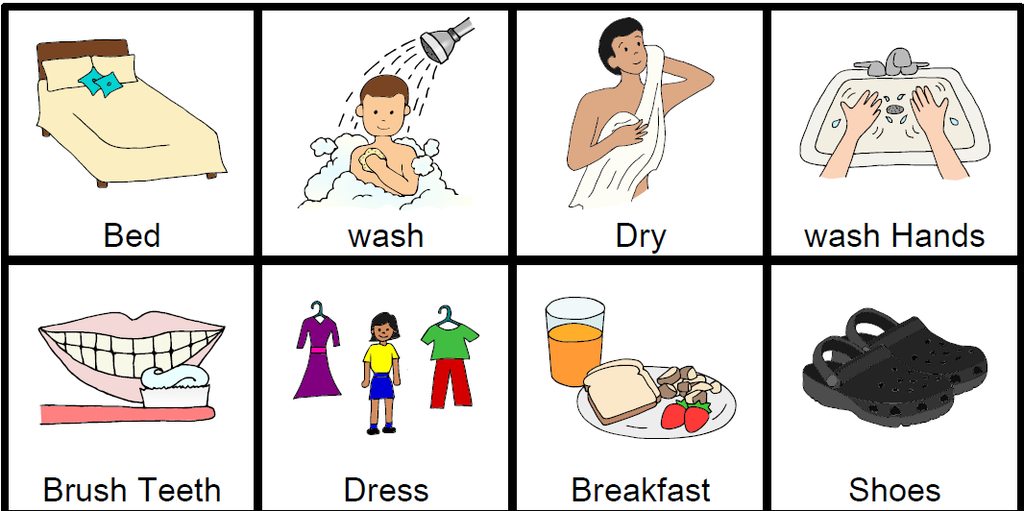
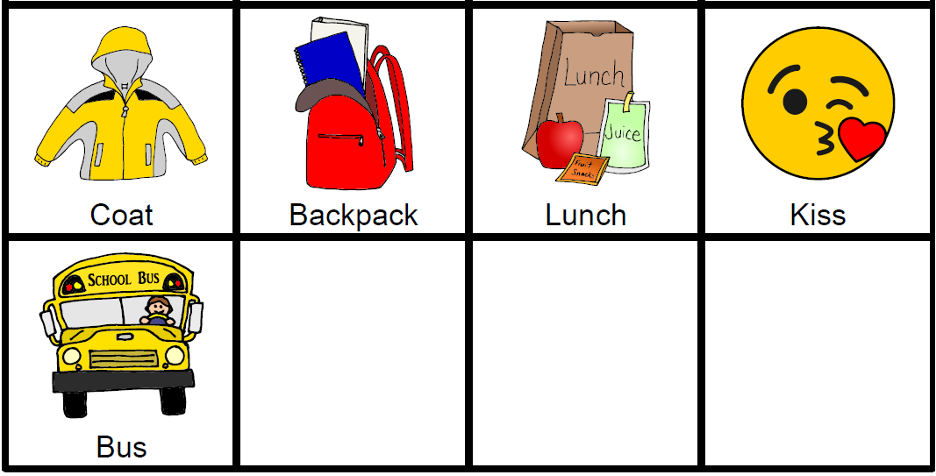
Consider making a visual schedule for your learner to check off in the morning with words and Pictures.
See below for pictures you can use or add your own or create your own with photos or drawings of the written words. A White Board by the door may be all that you need for some learners…
Nutrition:
Because the school schedule tends to be rigid regarding when learners can eat, this next week may be a good time to start getting into the time habit for mealtimes during the day. This is especially important for younger learners and those on a Balanced Day.
What time will they be eating for Recess Snack, Lunch, Recess Snack?
Consider setting and alarm and having your learners become accustomed or re-accustom themselves to the new routine. Ensure they are sitting at a table or similar to the set up at school.
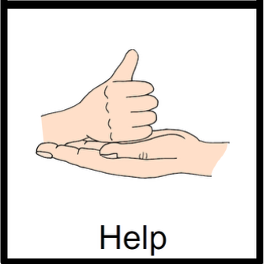
This may be a good time to start feeding them as they would eat once they are in school. Dust off the lunch bags/bail or boxes and let them eat from these as they would at school. Help them learn to open the containers independently or to work on a HELP request with a word, sign, symbol or using their device.
Consider practicing these skills before next week!